Looking back, I think I knew quite early on that speech therapy could be done differently.
As a teenager I went to a speech therapist myself, for an atypical swallowing pattern. I still remember how boring I found the sessions. A lot of repetition, a lot of watching how I swallowed, and very little that made me want to practise. Even then I thought: surely this could be more engaging.
School taught me the same lesson from another side. I struggled with maths for years. The standard explanations simply didn't click, and there wasn't much room for a different approach. Then one teacher took the time to explain it another way. Suddenly it made sense, and something I had found difficult for years even became enjoyable.
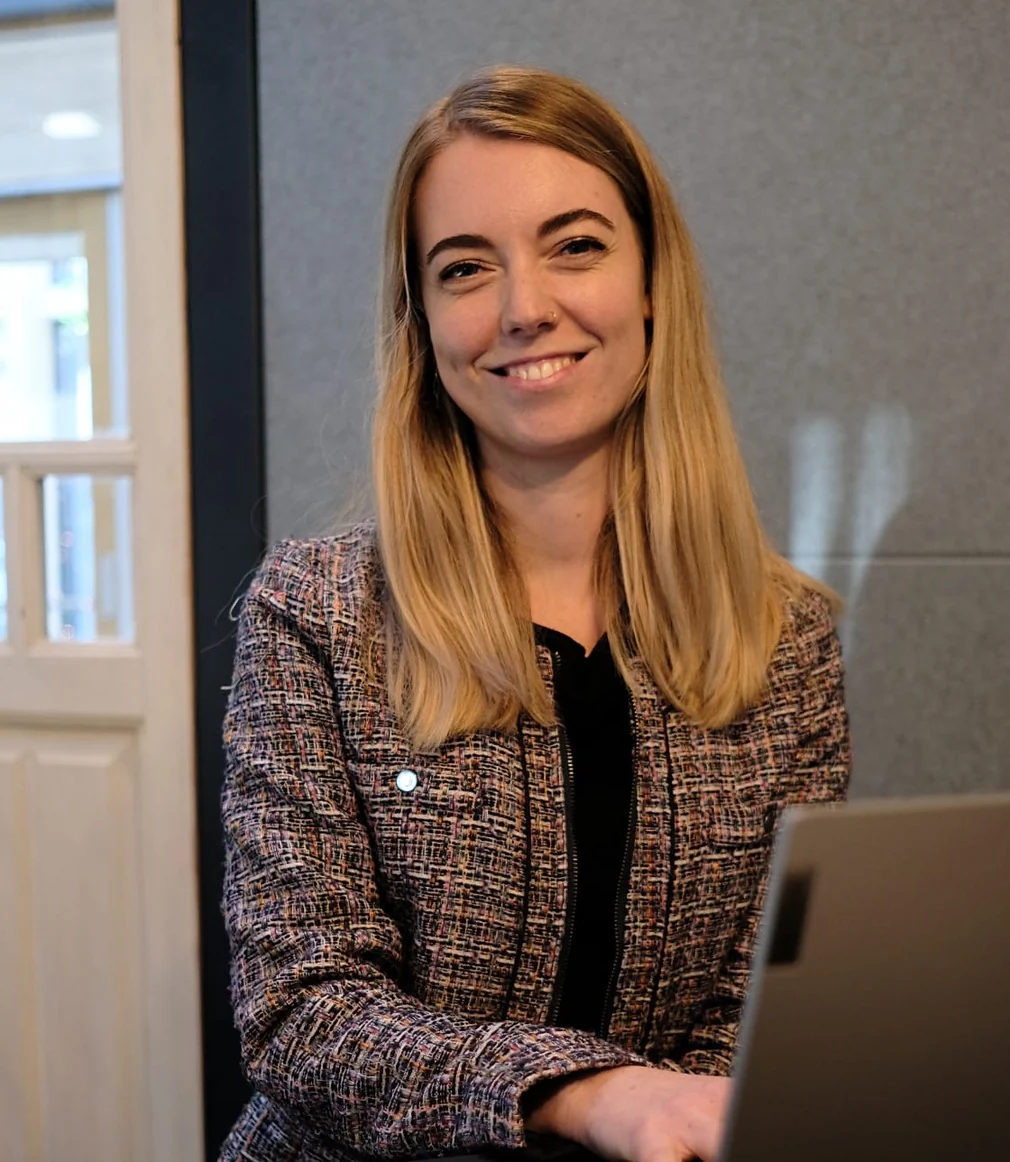
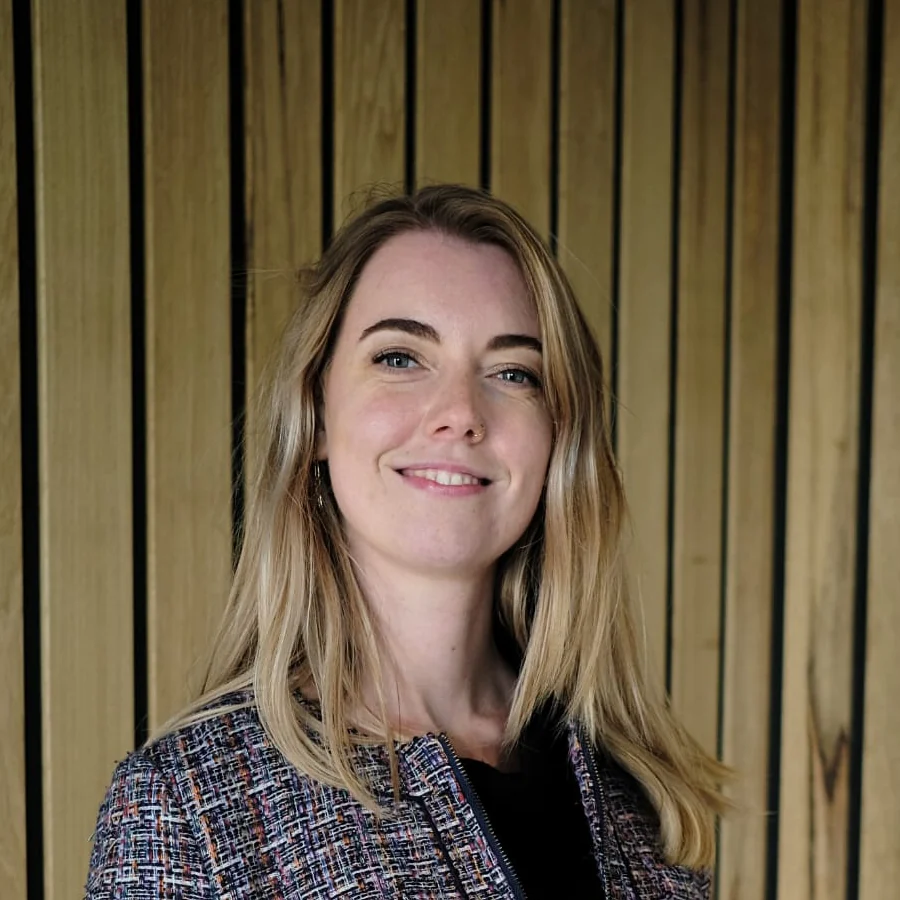
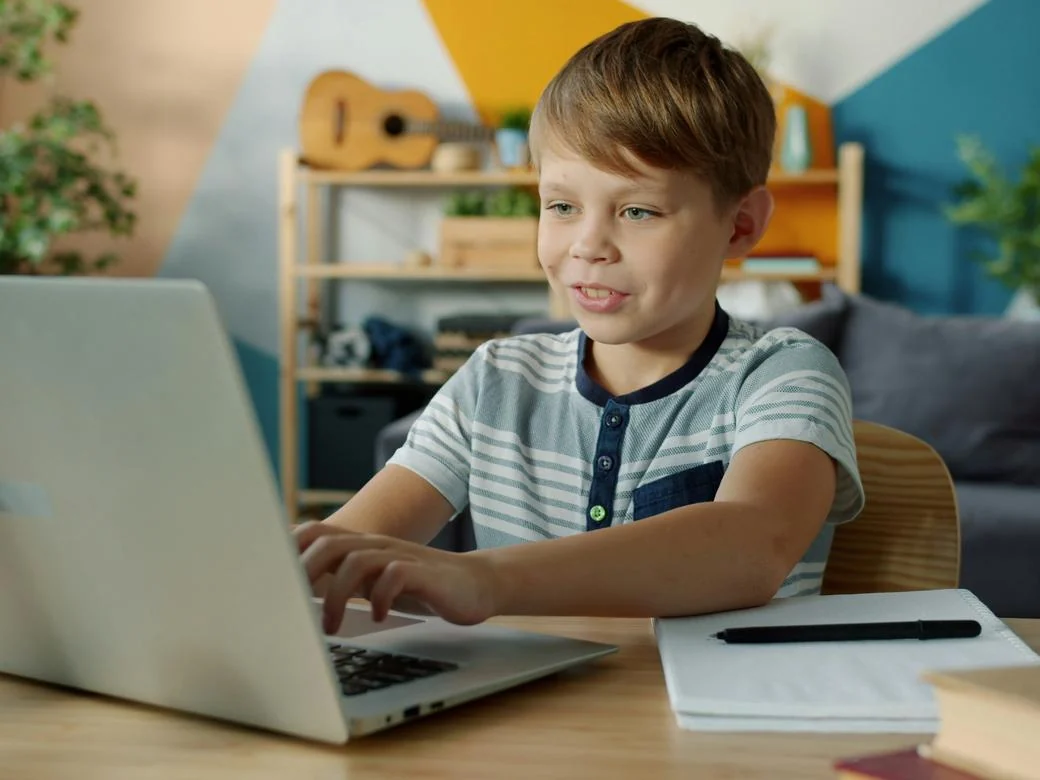
I have been working as a speech and language therapist for seven years now, in private practices, in a specialist childcare centre and online. Working online showed me how much is possible at a distance. Children can practise, learn and make real progress from their own home.
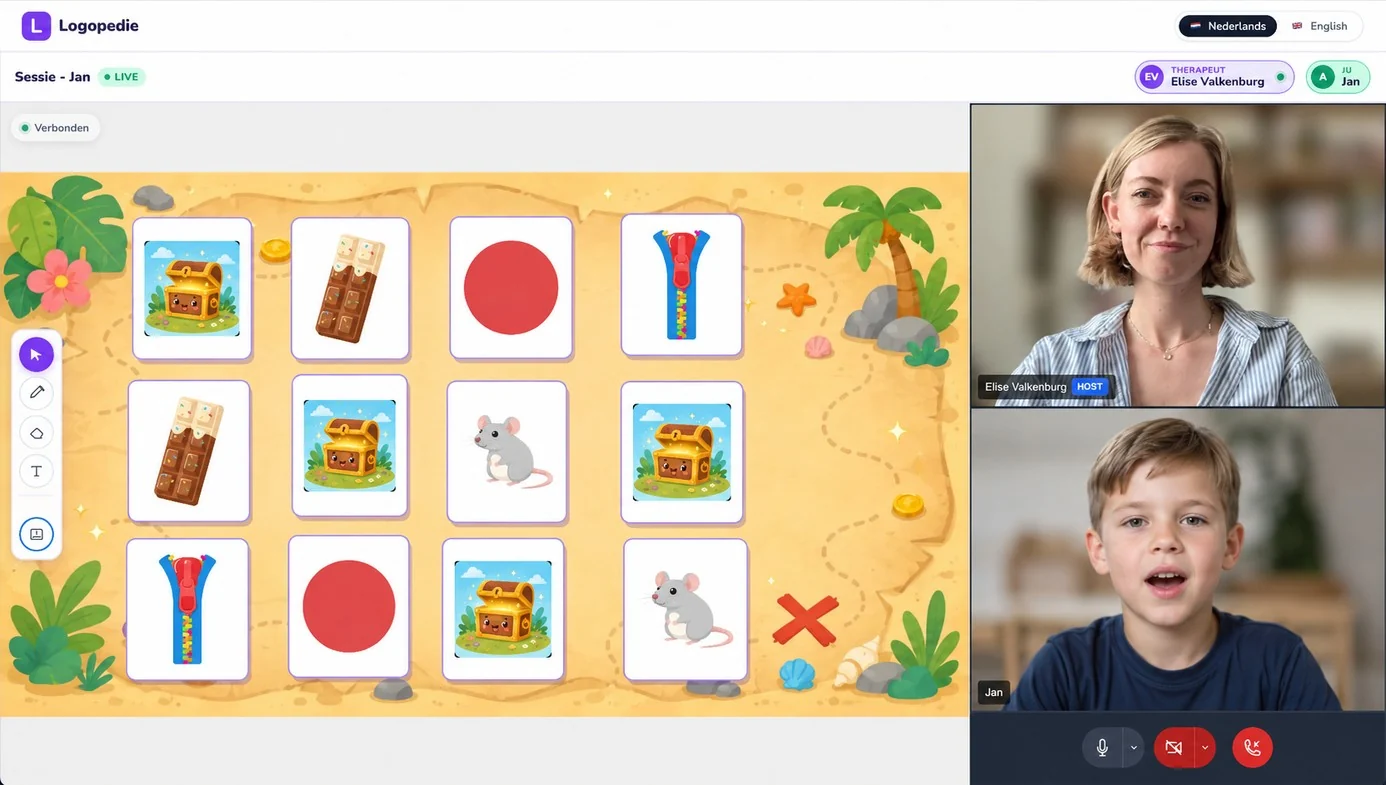
But I also noticed that the digital tools available for online speech therapy were limited. I wanted children to be able to play, choose, search, move things around and take part actively, while still practising in a very focused way. So I started developing my own materials and my own online therapy environment.
That lets me adapt the activity to the child in front of me. One session might be a racing game, another a search activity or a listening game. The game is never the goal. It is the way to keep a child engaged long enough to get the repetition that real progress needs.
Today I focus on children who find pronunciation difficult and who are hard to understand. I first look at how your child speaks Dutch and whether that fits what we would expect at their age. If extra support would help, we work on it step by step, with plenty of practice, but without it feeling like endless drilling.